nahttypen
Introduction to nahttypen
Sewing is both an art and a science. Behind every well-made garment lies a thoughtful structure that holds the fabric together and ensures durability, comfort, and style. One of the most essential elements of garment construction is the seam, known in German as “Naht.” When discussing multiple seam types, the term “Nahttypen” is used. Understanding nahttypen is fundamental for anyone involved in fashion design, tailoring, textile manufacturing, or even hobby sewing.
Seams might look simple from the outside, but each type serves a specific purpose. Some seams are designed to provide strength, others to create decorative effects, and some to ensure the fabric edges remain clean and durable. Choosing the right seam type can dramatically affect the final quality and lifespan of a garment.
In this comprehensive guide, we will explore what nahttypen are, why they matter, the most common types of seams used in sewing, and how professionals choose the right seam for different projects. Whether you are a beginner learning to sew or someone interested in fashion production, this article will give you a clear and practical understanding of seam types
Understanding the Meaning of Nahttypen
The term nahttypen originates from the German language and directly translates to “types of seams.” In sewing and textile construction, a seam is the line where two or more pieces of fabric are joined together using stitches. These seams form the structural foundation of garments, accessories, upholstery, and many other fabric-based products.
Nahttypen are categorized based on how fabrics are joined, folded, finished, and stitched. Each type of seam has unique characteristics that make it suitable for specific fabrics or garment styles. For example, a seam used for denim jeans must be much stronger than one used for delicate silk garments. This is why professional designers and tailors carefully select seam types during the design and construction process.
Another important reason nahttypen are studied in detail is quality control. In industrial garment manufacturing, the seam type can affect production speed, garment durability, and even the cost of production. A poorly chosen seam might lead to fabric fraying, weak joints, or uncomfortable edges that irritate the wearer.
Understanding nahttypen also helps sewists troubleshoot problems. If a seam keeps tearing or puckering, the issue may not be the fabric itself but rather the seam type being used. By learning about different seam constructions, sewing enthusiasts can improve both the appearance and durability of their work.
Why Seam Types Matter in Garment Construction
At first glance, seams may seem like a small technical detail, nahttypen but they play a major role in how clothing looks and functions. The right seam type ensures that a garment maintains its shape, survives regular wear, and provides comfort for the person wearing it.
One key reason seam types matter is strength. Some garments experience a lot of stress in certain areas, such as the crotch of pants or the shoulders of jackets. Strong seam types are used in these areas to prevent tearing or splitting. Reinforced seams are especially common in workwear, sportswear, nahttypen and heavy fabrics like denim.
Another important factor is appearance. Seams can be hidden or decorative. In high-end fashion garments, designers often choose seam types that are almost invisible from the outside. This creates a clean and polished look. In contrast, decorative seams may be intentionally visible and used as part of the garment’s design.
Comfort is another reason seam types are carefully chosen. Some seams create thick layers of fabric that may feel bulky against the skin. For garments like underwear, athletic wear, or nahttypen lightweight shirts, flatter seams are used to prevent irritation.
Finally, seam types influence fabric durability. Certain fabrics, especially woven materials, tend to fray easily. Seam finishes help protect raw edges and prevent the garment from unraveling over time. This is why seam selection is a crucial step in both home sewing and professional garment production.
The Plain Seam: The Most Common Nahttyp
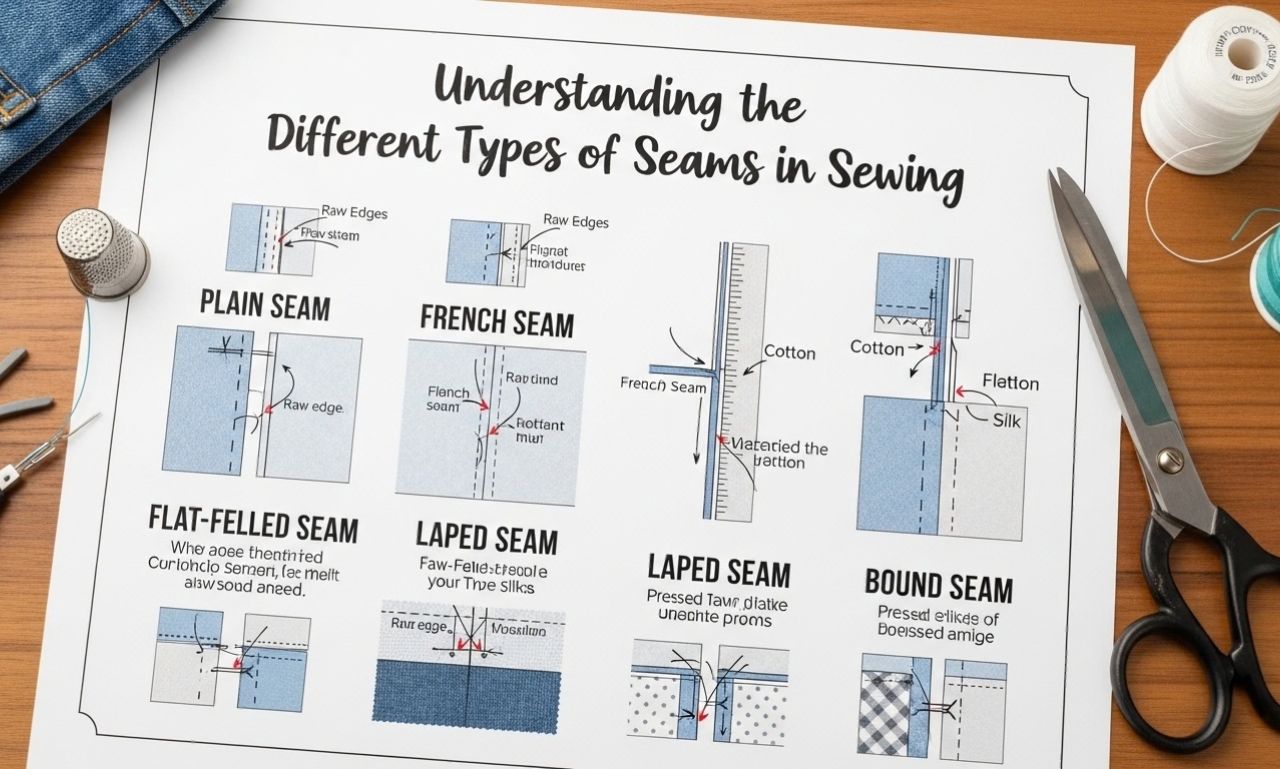
The plain seam is the most basic and widely used seam type in nahttypen sewing. It involves placing two pieces of fabric together with their right sides facing each other and stitching along the edge. After sewing, the seam is pressed open or to one side.
Despite its simplicity, the plain seam is extremely versatile. It can be used in a wide range of garments, including dresses, shirts, skirts, and lightweight jackets. Because it is easy to sew, beginners often learn this seam first when starting their sewing journey.
One advantage of the plain seam is its flexibility. It works well with both hand sewing and machine sewing. It can also be easily combined with other seam finishes, such as zigzag stitching, overlocking, or binding, to prevent fraying.
However, the plain seam does have limitations. On its own, it may not be strong enough for heavy fabrics or areas that experience high tension. For this reason, stronger seam variations nahttypen are often used in jeans, workwear, and outerwear.
French Seams: A Clean and Elegant Finish
French seams are a popular seam type used when working with nahttypen delicate fabrics such as chiffon, silk, and lightweight cotton. This seam encloses the raw edges of the fabric inside a second seam, creating a neat and professional finish.
The process of creating a French seam involves sewing the fabric twice. First, the fabric pieces are stitched together with the wrong sides facing each other. Then the seam is trimmed, folded, nahttypen and sewn again with the right sides together. This encloses the raw edges completely inside the seam.
One major advantage of French seams is their clean appearance. nahttypen Because the raw edges are hidden, the inside of the garment looks just as polished as the outside. This makes French seams especially popular in high-quality clothing and luxury garments.
Another benefit is durability. By enclosing the edges, French seams prevent fraying and help delicate fabrics maintain their structure. Although they take slightly more time to sew, the result is often worth the extra effort.
Flat-Felled Seams: Strong and Durable
Flat-felled seams are known for their strength and durability. They are commonly used in garments that need to withstand heavy wear, such as jeans, work shirts, and outdoor clothing.
In a flat-felled seam, one seam allowance is folded over the other and stitched down flat against the fabric. This creates a double line of stitching and encloses the raw edges within the seam. The result is a strong, flat seam that lies smoothly against the fabric.
One reason flat-felled seams are so popular in denim garments is their ability to handle tension and repeated washing. They also reduce fraying and add structural reinforcement to the garment.
In addition to being strong, flat-felled seams also have a distinctive visual appearance. The double line of stitching often becomes part of the garment’s design, giving jeans and workwear their iconic look.
Bound Seams: Clean Edges and Decorative Possibilities
Bound seams are created by covering the raw edges of a seam with a strip of fabric or binding tape. This method not only protects the edges but can also add a decorative touch to the garment.
This seam type is commonly used in unlined jackets, skirts, and garments where the inside may be visible. By binding the seam edges, designers create a polished interior finish that enhances the overall quality of the garment.
Bound seams are also useful when working with fabrics that fray easily. The binding prevents the fabric from unraveling and increases the garment’s lifespan.
Another advantage of bound seams is the opportunity for creativity. Using contrasting fabric for the binding can add a subtle design element that makes the garment unique.
Lapped Seams: Practical for Heavy Materials
Lapped seams are often used for materials that are too thick to be folded easily, such as leather, vinyl, or heavy fabrics. Instead of placing fabric pieces edge-to-edge, one piece overlaps the other and is stitched in place.
This seam type is frequently seen in leather jackets, bags, and upholstery. Because the fabric layers are not folded inside each other, the seam remains relatively flat and manageable even with thick materials.
Lapped seams are also strong and durable, making them suitable for items that must withstand heavy use. They are commonly used in industrial sewing and accessory manufacturing.
Another benefit is that lapped seams can create a bold design feature. The overlapping fabric and visible stitching can add a rugged or decorative element to the finished product.
Overlocked Seams: Fast and Efficient
Overlocked seams are created using a special sewing machine called an overlocker or serger. This machine trims the fabric edge while simultaneously stitching and finishing the seam.
This type of seam is widely used in mass garment production because it is fast and efficient. Overlocked seams prevent fraying and create a clean finish in a single step, making them ideal for high-volume manufacturing.
Many modern garments, especially knitwear and casual clothing, use overlocked seams. The flexibility of this seam makes it suitable for stretchy fabrics like jersey and spandex.
However, overlocked seams are usually less decorative than other seam types. Their main purpose is efficiency and durability rather than aesthetic appeal.
Choosing the Right Nahttyp for Different Fabrics
Selecting the correct seam type depends heavily on the type of fabric being used. Different materials behave differently under tension, washing, and wear, so seam choice plays a critical role in garment performance.
For delicate fabrics such as silk or chiffon, seam types like French seams are ideal because they protect the fabric edges and create a smooth finish. These seams prevent fraying and maintain the elegance of the garment.
For heavy fabrics like denim or canvas, stronger seam types such as flat-felled seams are preferred. These seams provide reinforcement and help the garment withstand frequent use and washing.
Stretch fabrics require seam types that can move with the material. Overlocked seams or specialized stretch stitches are commonly used for athletic wear, t-shirts, and leggings.
Ultimately, the best seam type balances strength, comfort, and appearance. Professional garment makers carefully test seam types before finalizing a design to ensure the best possible result.
The Role of Nahttypen in Modern Fashion and Manufacturing
In today’s fashion industry, nahttypen play a crucial role not only in garment construction but also in production efficiency and design innovation. Modern sewing technologies allow manufacturers to create seams that are stronger, flatter, and more comfortable than ever before.
Advanced seam techniques are especially important in performance clothing. Sportswear brands often use specialized seams designed to reduce friction and increase flexibility. These seams help athletes move freely while preventing irritation during intense activity.
Sustainability has also become an important factor in seam design. Durable seams extend the lifespan of garments, reducing waste and promoting more responsible fashion consumption. By choosing stronger seam types, manufacturers can create clothing that lasts longer.
Additionally, seam design has become a creative tool for fashion designers. Visible seams, decorative stitching, and unique seam placements can transform a simple garment into a stylish and distinctive piece.
Conclusion:
Nahttypen, or seam types, are a fundamental aspect of sewing and garment construction. While they may seem like a small technical detail, they significantly influence the strength, comfort, appearance, and durability of clothing.
From simple plain seams to elegant French seams and durable flat-felled seams, each seam type serves a specific purpose. Understanding these differences allows sewists, designers, and manufacturers to create garments that not only look great but also stand the test of time.
Learning about nahttypen also empowers sewing enthusiasts to improve their skills and experiment with different techniques. By choosing the right seam for each project, even beginners can achieve professional-quality results.
In the end, seams are more than just stitches holding fabric together—they are the hidden structure that gives every garment its shape, strength, and personality. Mastering seam types is an essential step toward mastering the art of sewing itself.
About the Author